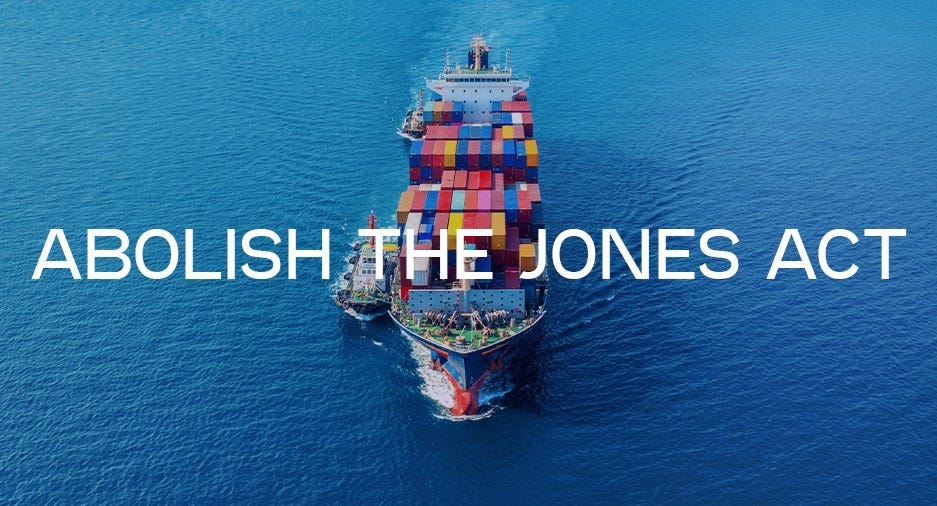
Unpacking the Jones Act: Who Truly Benefits from This Century-Old Maritime Law?
The Merchant Marine Act of 1920, widely known as the Jones Act, is a piece of legislation that has shaped American maritime commerce for over a century. At its core, it mandates that all goods shipped between U.S. ports must be carried on vessels that are built, owned, and operated by American citizens, and crewed by U.S. citizens or permanent residents. While often lauded by its proponents as a cornerstone of national security and a generator of American jobs, the act faces fierce criticism for its alleged role in driving up costs and hindering economic development, particularly in non-contiguous U.S. territories like Puerto Rico. The contentious debate over whether to abolish the Jones Act, reform it, or maintain its status quo involves a complex interplay of economic, strategic, and humanitarian considerations.The Jones Act: A Closer Look at Its Requirements and Intentions
Enacted in the aftermath of World War I, the Jones Act aimed to foster a strong domestic merchant marine capable of supporting national defense and promoting internal commerce. Its key provisions, often referred to as the "4 pillars," dictate that vessels engaged in domestic trade must be:- U.S.-built: Constructed in shipyards within the United States.
- U.S.-owned: Majority ownership (at least 75%) must be by U.S. citizens.
- U.S.-crewed: At least 75% of the crew must be U.S. citizens or lawful permanent residents.
- U.S.-flagged: Registered under the U.S. flag.
The Argument for Maintaining the Jones Act: Jobs, Security, and Economic Contribution
Proponents of the Jones Act, including powerful lobbying groups like the American Maritime Partnership, staunchly defend its continued necessity. Their arguments often center on three main pillars:- Job Creation and Economic Impact: The act is credited with supporting thousands of American jobs across the maritime industry, including shipbuilders, engineers, port workers, and seafarers. These jobs are often high-skilled and well-compensated, contributing significantly to local economies. The argument posits that these jobs, along with the associated tax revenues, would be lost if foreign vessels and crews were allowed to operate freely in domestic trade, potentially leading to a race to the bottom in wages and working conditions. Estimates frequently cited suggest the act generates billions in economic output and tax revenue annually.
- National Security Imperative: A core tenet of the Jones Act is its role in national security. By maintaining a domestic fleet and a trained pool of mariners, the U.S. ostensibly ensures a readily available logistical capability for military operations and humanitarian aid efforts. The presence of U.S.-flagged vessels and American crews also reduces reliance on foreign entities for critical supply chains, particularly in sensitive strategic areas. Furthermore, allowing foreign vessels unrestricted access to U.S. ports is seen by some as a potential security risk, given concerns over surveillance or sabotage.
- Environmental and Safety Standards: U.S.-flagged vessels and American crews typically operate under rigorous environmental, safety, and labor regulations, which proponents argue are often higher than those of many foreign-flagged ships. Maintaining the Jones Act ensures these standards are upheld in domestic commerce, protecting American waterways and workers.
The Case Against the Jones Act: Economic Burden and Humanitarian Concerns
Despite its stated benefits, the Jones Act faces considerable opposition, primarily due to its perceived economic costs and the disproportionate burden it places on certain U.S. regions. Calls to abolish the Jones Act or significantly reform it are growing louder, particularly from non-contiguous territories and consumer advocacy groups.The most vocal critics highlight several key issues:
- Exorbitant Costs for Non-Contiguous Territories: For island economies like Puerto Rico, Guam, and Hawaii, the Jones Act translates into significantly higher costs for virtually all imported goods. Foreign ships, even those passing daily near these islands, are prohibited from offloading cargo directly unless a waiver is granted. Instead, goods destined for these territories must first be shipped to the U.S. mainland on often cheaper foreign vessels, then transferred to more expensive U.S.-flagged ships for the final leg of the journey. This additional transshipment, coupled with the higher operating costs of Jones Act-compliant vessels (due to U.S. labor, construction, and safety standards), inflates prices for everything from food and fuel to construction materials and vital medicines. This burden makes the cost of living on these islands comparable to or even exceeding that of major U.S. cities, severely impacting economic development and contributing to poverty. To learn more about this specific impact, read our article on The Jones Act: Puerto Rico's Economic Burden and Cost of Living.
- Limited Competition and Market Inefficiencies: By restricting competition to only U.S.-flagged vessels, the Jones Act creates a limited market, allowing U.S. carriers to charge premium rates without the pressure of international competition. This lack of choice stifles innovation and prevents the natural market forces that would typically drive down shipping costs.
- Hindrance to Disaster Relief: In times of crisis, such as hurricanes or earthquakes, the Jones Act can impede timely and cost-effective humanitarian aid. Foreign vessels carrying essential supplies have often been turned away or faced significant delays awaiting waivers to enter U.S. territorial ports, exacerbating suffering and hindering recovery efforts. This was a significant point of contention following Hurricane Maria in Puerto Rico.
- Questionable National Security Effectiveness: Critics argue that the act has failed in its stated purpose of maintaining a robust merchant marine and shipbuilding industry. Over the past five decades, the U.S. oceangoing fleet and shipbuilding capacity have steadily declined. This suggests that the Jones Act, in its current form, may not be effectively bolstering national security as intended, while simultaneously imposing significant economic costs.
- Restrictions on International Trade: For territories like Puerto Rico, the Jones Act restricts their ability to engage directly in business with neighboring Latin American and other international partners, forcing them into a more costly U.S.-centric supply chain. This limits their economic diversification and growth potential.
The Ongoing Debate: To Abolish or To Amend?
However, a complete repeal faces strong opposition from powerful maritime unions and companies that benefit directly from the act. For these stakeholders, the Jones Act represents vital job security and a strategic national asset. The debate often becomes a tug-of-war between regional economic relief and perceived national interest.
Alternative proposals, short of outright repeal, include:
- Targeted Waivers: Streamlining and making permanent waivers for specific goods or territories, particularly during crises.
- Territorial Exemption: Exempting U.S. territories from certain Jones Act provisions, allowing them greater flexibility in trade.
- Modernization: Amending the act to address current economic realities while still maintaining core national security elements, perhaps focusing on crew requirements rather than exclusively U.S.-built ships.